
Everyday Economics: The Fed can’t pump more oil
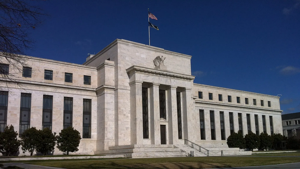
The Federal Reserve is widely expected to raise interest rates this week. Markets now put the odds of a quarter-point hike at roughly 85%.
I think the Fed should hold.
Inflation is still too high. But the most important question is not whether inflation went up. It is why.
Consumer prices rose 0.4% in August and 3.4% from a year ago. Much of that acceleration came from energy. Gasoline prices jumped 3.9% in one month. Wholesale diesel prices surged 24.1%. Oil prices have climbed above $100 a barrel as conflict in the Middle East disrupted supply.
That is a very different problem from an economy where consumers are spending too much and businesses cannot keep up.
The Fed can make borrowing more expensive. It can slow spending, hiring and investment. It cannot produce another barrel of oil.
That distinction matters because beneath the energy shock, underlying inflation is still moving in the right direction. Core consumer prices, which exclude food and energy, rose 2.4% over the past year. That is the lowest annual core inflation rate since early 2021.
Monthly core inflation firmed somewhat, so the Fed cannot declare victory. But there is little evidence so far that higher energy prices have turned into a broad new inflation wave.
The economy also does not look overheated.
Housing activity remains depressed. Hiring has slowed considerably. The hiring rate fell to 3.2% in July, around its weakest level in more than a decade outside the pandemic shutdown.
Employers added 162,000 jobs in August, but nearly two-thirds of those gains came from restaurants and local-government education. Over the past three months, payroll growth has averaged only about 71,000 jobs per month. Over the past year, job creation has been heavily concentrated in health care and social assistance, while employment has fallen in several major industries.
Wage growth is cooling too. Average hourly earnings are up 3.1% over the past year. That is hardly the kind of wage acceleration we would expect if workers were driving an inflationary boom.
This is a resilient economy. But it is a narrow one.
The strongest argument for raising rates is that the Fed cannot allow an oil shock to become something bigger. If businesses begin raising prices across the board, workers demand much larger raises and people start expecting high inflation to persist for years, a temporary supply shock can become embedded.
That is what the Fed should be watching.
There are warning signs. Consumers’ near-term inflation expectations have risen as gasoline prices climbed. But longer-term expectations look much calmer. Market-based measures remain in the mid-2% range, and professional forecasters have not suddenly concluded that inflation is breaking loose.
That is why waiting at least one more meeting makes sense.
The Fed already has interest rates at 3.50% to 3.75%. Long-term Treasury yields and mortgage rates have moved higher as investors anticipate more tightening. In other words, some of the restraint the Fed wants is already reaching households and businesses before policymakers raise rates again.
For households, borrowing is likely to stay expensive regardless of what the Fed does this week. Mortgages, auto loans and credit cards remain painful, while weaker hiring makes it harder to change jobs or get back to work after losing one.
For businesses, high borrowing costs raise the hurdle for buying equipment, expanding a store, building housing or adding workers. Small businesses that depend on bank credit feel that pressure first.
The federal government is expected to spend more than $1 trillion on net interest this year. As old debt is refinanced at higher rates, more tax dollars go toward servicing past borrowing instead of current priorities.
That eventually becomes a choice for voters: higher taxes, less spending on other programs, more costly borrowing, or some combination of all three.
The Fed must protect its credibility. But credibility does not mean reacting mechanically every time headline inflation rises.
Americans are already being hit by an oil shock that is essentially a massive tax on top of already expensive mortgages, car loans, business loans and federal interest payments.




Mostly Sunny
