
Local governments WANT more taxpayer money as voters weigh referendums
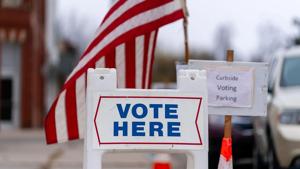
(The Center Square) – Illinois voters will decide Nov. 3 on dozens of local referendums seeking higher taxes or additional borrowing authority, raising questions from a government watchdog about how municipalities are managing their finances as residents face some of the highest tax burdens in the country.
There are 85 local government referendums on the November ballot, according to an analysis by Fight for Illinois. Across the measures, the organization estimates more than $6 billion in long-term costs when borrowing and interest are included.
Ted Dabrowski, founder of Fight for Illinois, said municipalities should first look for ways to reduce spending and improve efficiency before asking residents for more money.
“This is Illinois, and we have a tax mentality, not a reform spending mentality,” Dabrowski said.
Dabrowski, former Republican candidate for Illinois governor, said local governments face financial pressures including public employee salaries, pensions and health care costs, as well as state mandates and the loss of residents and businesses.
Municipalities also face state-mandated police and fire pension obligations, which can make local budgets particularly difficult to manage, he said.
“I think in a lot of places townships are redundant,” Dabrowski said, adding that there can be opportunities for consolidation and reduced administrative costs.
The ballot measures vary by local government and purpose, with some seeking additional tax revenue and others asking voters to approve borrowing for capital projects.
Dabrowski said voters should examine whether a proposed project is necessary and whether the government seeking additional revenue has explored alternatives.
“Have any of these places looked for efficiencies instead of asking for more money?” he said.
The impact of individual measures can vary widely. Dabrowski pointed to proposed sales tax increases in some communities as examples of how relatively small increases can add to the overall tax burden on residents.
He said taxpayers should also consider the cumulative effect of multiple taxing bodies seeking additional revenue.
“People get hit,” Dabrowski said. “But then, you know, the big ones are these school districts.”
While the Fight for Illinois analysis includes school districts and other local government entities, Dabrowski said municipalities generally have smaller requests than some other taxing bodies.
He argued that voters should scrutinize local proposals before approving additional taxes or debt, particularly in a state already dealing with high property taxes and population losses.
“My big concern is that we keep chasing people out,” Dabrowski said.
Dabrowski said Illinois’ financial challenges can make additional local taxes especially concerning because residents and businesses can compare the state’s tax burden with those of other states.
“When people leave, guess what? Companies don’t come and invest in Illinois because they know that the better place to invest is South Carolina or Tennessee,” he said.
Another concern, Dabrowski said, is whether taxpayers have enough transparency into how money approved through referendums ultimately is spent.
He said local governments should provide greater detail about proposed projects, contracts and spending and should give voters enough information to evaluate the proposals before Election Day.
“You got to know what’s on your ballot,” Dabrowski said. “If you wait until you go vote, it’s too late.”
Dabrowski said Fight for Illinois has compiled information on the November referendums through its newly launched app, which he said is intended to help residents review local ballot measures.
For municipalities considering additional revenue, Dabrowski said consolidation and spending reductions should be part of the conversation before tax increases are pursued.
“We need much more scrutiny and transparency,” he said.





Sunny
