
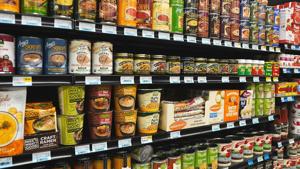
WHO food proposal draws warnings over taxes, grocery costs
The World Health Organization will propose a model to help countries decide which prepackaged foods to tax and regulate.
Critics worry this will raise grocery prices and trigger lawsuits.
This week, WHO opened public comments on its draft Integrated Food Profiling Model for Regulatory Measures. Public comments are due by Nov. 27.
The approach would look at the nutritional value, colors and sweeteners in food products. Countries could use the guide to tax foods, restrict marketing, require certain packaging labels, and guide public food purchases.
Taxpayers Protection Alliance executive director Ross Marchand said this will raise consumer prices.
He called the idea “a clear recipe for soaring regulatory and litigation costs that will almost certainly get passed down to shoppers at the register.”
“New regulations drive up prices on everyday staples and distort markets, while benefits to consumers fail to materialize,” he added.
Marchand said the approach would also cause lawsuits.
Last year, San Francisco sued major manufacturers over the health impacts of ultra-processed foods, as The Center Square previously reported. The lawsuit says companies engineer and market products that cause chronic illness.
WHO’s draft puts numerical limits on foods. Its standards flag products when added sugars are more than 5% of the calories in drinks or over 10% in foods. It also has metrics for saturated fat, trans fat and sodium.
Using artificial sweeteners wouldn’t necessarily exempt foods and beverages from these warnings. WHO says those ingredients encourage consumption.
The organization says it wants to reduce diet-related illness. It labels certain foods as being for moderate consumption, rather than calling them healthy or unhealthy.
“A food profiling model does not, by itself, constitute a regulatory instrument,” the draft says.
Governments would have to decide how they apply this system in their own countries.
The International Food & Beverage Alliance said an ingredient test could hurt the progress that’s being made cutting sugar, salt and unhealthy fats from products.
“Penalizing products for using these ingredients risks discouraging the very improvements that WHO and governments have encouraged,” the group said.
Meanwhile, the Trump administration is pursuing its own definition of ultra-processed foods. In August, the Food and Drug Administration and Department of Agriculture submitted a proposal for final review.
That FDA white paper is still pending, according to the White House regulatory review website.






Cloudy
